Table of Contents
ToggleIndiana homeowners know the drill: winter snow melts, spring arrives, and suddenly your kitchen feels like Grand Central Station for uninvited bugs. From cockroaches to rodents, termites to mosquitoes, pests thrive in Indiana’s humid summers and seek refuge indoors when temperatures drop. The problem isn’t just an annoyance, pest infestations can damage property, contaminate food, and even pose health risks. This guide walks you through identifying common Indiana pests, understanding their seasonal patterns, and deciding whether to tackle prevention yourself or call in a professional. You’ll learn practical strategies to protect your home year-round and know exactly when DIY efforts stop being cost-effective.
Key Takeaways
- Indiana pest control requires year-round vigilance because cockroaches, rodents, termites, and mosquitoes follow seasonal patterns that shift indoors during fall and winter months.
- Sealing entry points, eliminating moisture, and removing food sources are cost-effective DIY prevention strategies that significantly reduce pest pressure before infestations take hold.
- Professional Indiana pest control services are essential for termite infestations, large rodent colonies, and structural damage, as these situations require specialized tools and treatment beyond DIY scope.
- Termites cause more property damage than fires and storms combined, making spring and early summer swarmers a critical warning sign that demands immediate professional inspection.
- Monitoring for warning signs like rodent droppings, mud tubes, and carpenter ant sawdust allows early detection when DIY efforts can still be effective before calling professionals.
Common Pests In Indiana Homes
Indiana‘s climate and geography create perfect conditions for several recurring household pests. Knowing what you’re up against is half the battle.
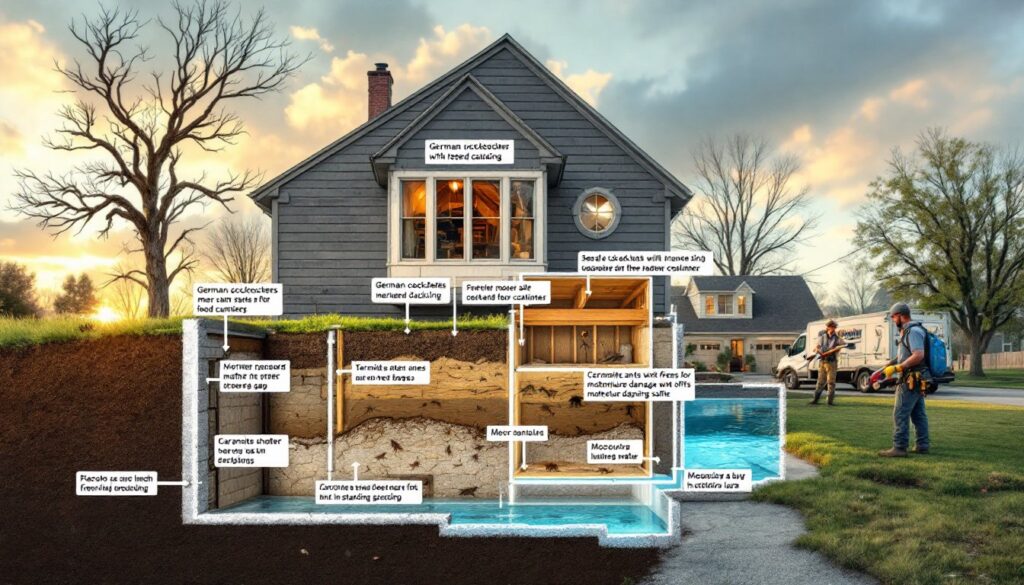
Cockroaches thrive indoors year-round, especially in warm kitchens and bathrooms. German cockroaches are the most common type found in homes, and they reproduce rapidly, one female can produce hundreds of offspring in a few months. Unlike their larger American counterparts, German roaches prefer tight spaces and are harder to spot.
Rodents (mice and rats) seek warmth and food inside homes during fall and winter. A single mouse dripping can spread disease, and their droppings carry serious pathogens. Entry points as small as a dime (for mice) are all they need.
Termites cause more property damage annually than fires and storms combined. Indiana’s wood-frame homes and wet soil conditions make termite pressure real, especially in older houses or those with poor drainage. Subterranean termites are the biggest threat in the state.
Mosquitoes emerge in spring and peak during humid summer months. Beyond the itch, they carry West Nile Virus and other diseases. Indiana’s many wetlands and any standing water in your yard becomes a breeding ground.
Ants (especially carpenter ants) can damage wood structure if left unchecked. While they don’t eat wood like termites, carpenter ants excavate galleries to build nests, weakening joists and beams. One Time Pest Control: Your Quick Solution to Household Infestations addresses these common invaders quickly and efficiently.
Spiders, centipedes, and beetles are less destructive but create legitimate household hassles. Most aren’t dangerous, but their presence drives homeowners to action.
Seasonal Pest Patterns Throughout The Year
Indiana’s four distinct seasons each bring their own pest challenges. Understanding the timeline helps you act before infestations take root.
Spring And Summer Invasions
Warm weather wakes up dormant pests and triggers breeding cycles. April through September is peak season for mosquitoes, ants, and outdoor pest activity. Rodents that survived winter indoors may try to escape back outside, but plenty remain in basements and walls.
Carpenter ants are particularly active in late spring when wood moisture rises from melting snow and spring rains. They scout for damaged or decaying wood, especially around roofs, gutters, and foundation areas where water accumulation happens. Standing water from poor drainage becomes a mosquito nursery in days.
Termite swarmers (winged reproductives) typically emerge in spring and early summer, signaling established colonies nearby. If you see these insects in or around your home, an infestation is likely present. Pest Control Bloomington provides detailed guidance on seasonal preparation and treatment schedules.
During summer, outdoor entertaining and open windows increase pest exposure. Screened porches deteriorate, caulking cracks, and entry points expand.
Fall And Winter Considerations
As temperatures drop in September and October, pests shift behavior dramatically. Rodents intensify their search for indoor shelter, warm walls, attics, and crawlspaces become prime real estate. A single gap around pipes or utility lines is an invitation.
Cockroaches cluster in warm kitchen and bathroom areas, making late fall and winter the best time to deploy targeted treatments. Heating systems create the exact temperatures they prefer.
Mosquito activity drops sharply but doesn’t stop completely on warm winter days. Unlike other pests, some mosquito species can survive Indiana winters in protected areas.
Termite damage accumulation peaks in winter when wood moisture is highest and structural damage spreads faster. Foundation cracks expand and contract with freeze-thaw cycles, opening new entry routes.
Winter also brings the added challenge of ice dams and roof leaks, which create water-damaged wood attractive to carpenter ants and termites. Prevention measures installed in fall (before pest season intensifies) are far more cost-effective than emergency treatment.
DIY Pest Prevention Strategies For Homeowners
Many pest problems start small and stay small if you catch them early. Smart prevention saves money and avoids the need for professionals.
Seal entry points. Caulk cracks around foundation walls, gaps around pipes and utility penetrations, and spaces where siding meets trim. Use silicone or polyurethane caulk (not latex, it cracks). Weather-strip doors and windows. Rodents can squeeze through gaps the size of a pencil: be thorough.
Eliminate moisture. Pests need water. Fix leaking gutters, grade soil away from the foundation to prevent pooling, insulate cold-water pipes to prevent condensation, and ensure crawlspace venting works. Dehumidifiers in basements reduce the appeal of damp wood to termites and carpenter ants.
Remove food sources. Store pantry items in airtight containers (not cardboard boxes). Don’t leave pet food out overnight. Take garbage out regularly and keep bins sealed. Crumbs and grease in kitchens are magnets for cockroaches and ants.
Trim vegetation. Tree branches touching your roof create highways for pests. Mulch should be 12 inches away from foundation walls, wood mulch against the house attracts termites and carpenter ants.
Clean and declutter. Piles of firewood, old newspapers, and cluttered storage areas harbor roaches, spiders, and rodents. An organized basement with clear floor space is far less attractive.
Use baits and traps for early detection. Snap traps and glue traps catch rodents quickly and confirm infestations. Cockroach baits (like gel formulations) kill colonies before they explode. How Much Is Orkin Pest Control and similar resources outline professional-grade options if DIY attempts stall.
Monitor for warning signs. Rodent droppings, termite mud tubes on foundation walls, carpenter ant sawdust (frass) near wood, and live insects are red flags. Act immediately if you find them.
DIY pest prevention works best as a preventative layer, not as a cure-all. Sealing and sanitation reduce pest pressure significantly, but established infestations (especially termites) need professional intervention.
When To Call A Professional Pest Control Service
Some situations demand professional expertise. Knowing when to draw that line saves time and money.
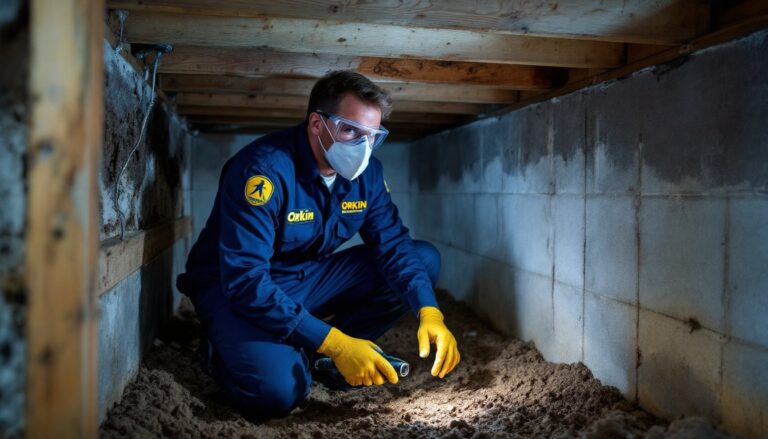
Termite infestations are your biggest reason to call pros immediately. DIY termite control rarely works because colonies nest deep in walls, soil, and inaccessible areas. A professional inspection uses tools like moisture meters and thermal imaging to locate colonies. Treatment typically requires liquid barriers (termiticide applications) or bait stations, applied systematically around the foundation. This is structural work, not weekend project territory.
Large rodent infestations (multiple droppings, frequent sightings, activity in walls) need professional trapping and sealing. One mouse is catchable. Fifty mice require systematic removal, sanitation, and exclusion work beyond typical DIY scope.
Cockroach infestations in apartments or multi-unit buildings need coordinated professional treatment across units. Roaches move between units, so isolated DIY efforts fail. A pest control truck can treat an entire building systematically.
Carpenter ant colonies in structural wood need professional assessment. If you see carpenter ants, the colony has likely been establishing itself for months or years. Professionals use targeted insecticide applications and identify water damage that enabled the colony.
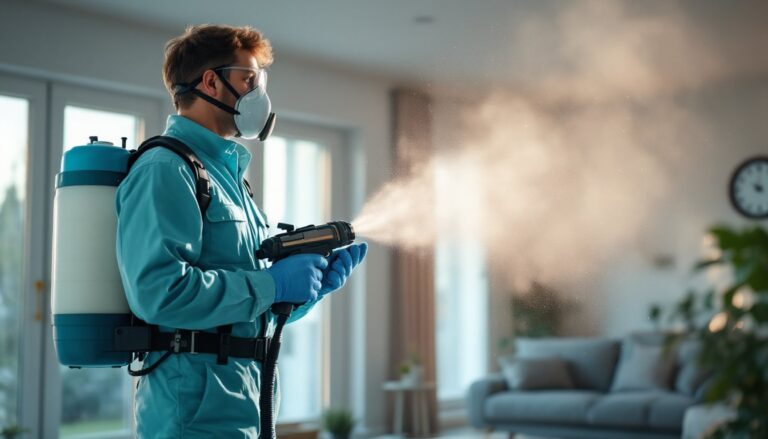
Mosquito control for large areas (yards over 0.5 acres) benefits from professional spraying and larvicide applications in standing water. DIY sprays work for small patios but won’t eliminate breeding sites across an entire property.
Recurring infestations even though prevention signal a deeper problem, foundation cracks, plumbing leaks, or structural damage, that needs expert diagnosis. A professional can identify what your efforts are missing.
Services like Evans Pest Control and Best Pest Control Services in Indiana offer free inspections and detailed treatment plans. Most charge $200–$600 for initial treatment depending on infestation size and pest type. Quarterly or monthly maintenance plans ($100–$300 per visit) prevent re-infestations. Compare estimates and ask for warranties, reputable companies stand behind their work.
Conclusion
Indiana pest control starts with prevention: seal gaps, eliminate moisture, and remove food sources. Spring and summer demand vigilance against outdoor pests: fall and winter shift focus indoors as rodents and cockroaches seek shelter. DIY tactics handle early-stage problems and ongoing prevention, but termites, large infestations, and structural damage require professional crews. The investment in professional treatment, whether one-time or recurring, costs far less than repairing termite-damaged joists, replacing rodent-contaminated insulation, or dealing with disease vectors. Act now, stay consistent, and you’ll keep Indiana pests where they belong: outside your home.