Table of Contents
TogglePests don’t care how clean your home is or how much you love your space, they’re going to try getting in anyway. The difference between a home plagued by unwanted visitors and one that stays <a href="https://ferndalerfc.com/ventura-pest-control/”>pest-free often comes down to one critical line of defense: your perimeter. Perimeter pest control focuses on sealing off entry points, eliminating attractants around your property’s edges, and creating barriers that keep crawling insects, rodents, and wildlife at bay before they ever reach your door. Whether you’re dealing with ants marching through your foundation cracks, rodents nesting in your crawlspace, or just want to stay ahead of the problem, a solid perimeter defense strategy beats fighting infestations indoors every time.
Key Takeaways
- Perimeter pest control stops insects, rodents, and wildlife before they enter your home by sealing cracks, removing attractants, and creating protective barriers around your property’s edges.
- Common perimeter pests include ants, termites, rodents (mice and rats), spiders, cockroaches, and squirrels—all seeking shelter, food, and water outside your foundation.
- Start with a walkthrough inspection to identify gaps larger than 1/8 inch in your foundation, weatherstripping, vents, and utility line penetrations, which are prime entry points.
- DIY perimeter defense includes sealing cracks with concrete caulk or foam, trimming vegetation 12 inches back from the foundation, cleaning gutters monthly, and installing quarter-inch hardware cloth over vents.
- Proactive perimeter pest control is significantly cheaper than treating indoor infestations, which can cost thousands in exterminator bills, structural repairs, and remediation.
- Call a professional pest control service immediately if you spot termite damage, signs of active rodents inside your home, or if DIY methods fail within a month.
Why Perimeter Pest Control Matters for Your Home
Your home’s perimeter is the first and most important defense line against pests. Insects and rodents seek three things: shelter, food, and water. If those exist outside your walls, pests will probe for weaknesses in your foundation, weatherstripping, vents, and pipe penetrations. Once they’re inside, removal costs skyrocket, you’re talking exterminator bills, potential structural damage from termites, and contamination from rodent droppings.
Perimeter pest control is cheaper and more effective than reactive pest management. By sealing cracks, removing debris piles, trimming vegetation back from the house, and maintaining clean gutters, you’re basically saying “no vacancy” to pests before they ever move in. A proactive approach also means fewer chemicals used inside your living spaces and less disruption to your daily life. The best pest problem is the one that never happens.
Common Pests That Target Home Perimeters
Insects and Crawling Pests
Ants are the most persistent perimeter invaders. Carpenter ants tunnel through wood, while pavement ants form trails along foundation edges hunting for sweet residue or grease. Termites are silent destroyers, they can chew through your home’s wooden framing for years before damage is visible. Centipedes, spiders, and earwigs hide under mulch, leaf litter, and landscape debris near the foundation, waiting for cracks to slip through.
Cockroaches favor damp spaces near downspouts and poorly sealed areas where pipes enter the house. Beetles, particularly powderpost beetles, target exposed wood around decks and siding. These pests thrive where moisture and vegetation meet your home’s edge.
Rodents and Wildlife Entry Points
Mice and rats squeeze through gaps as small as a dime and quarter, respectively. They follow utility lines, climb downspouts, and gnaw through soft caulk and weatherstripping. Squirrels and raccoons are more ambitious, they’ll tear open vents and soffit gaps to access attics. Norway rats favor ground-level burrows near foundations: roof rats prefer upper branches and can access second-story gaps.
Once inside, rodents multiply fast and leave contaminated droppings in insulation and ductwork. Prevention through perimeter sealing is infinitely cheaper than trapping, exclusion, and sanitization after an infestation takes hold.
DIY Perimeter Pest Control Methods
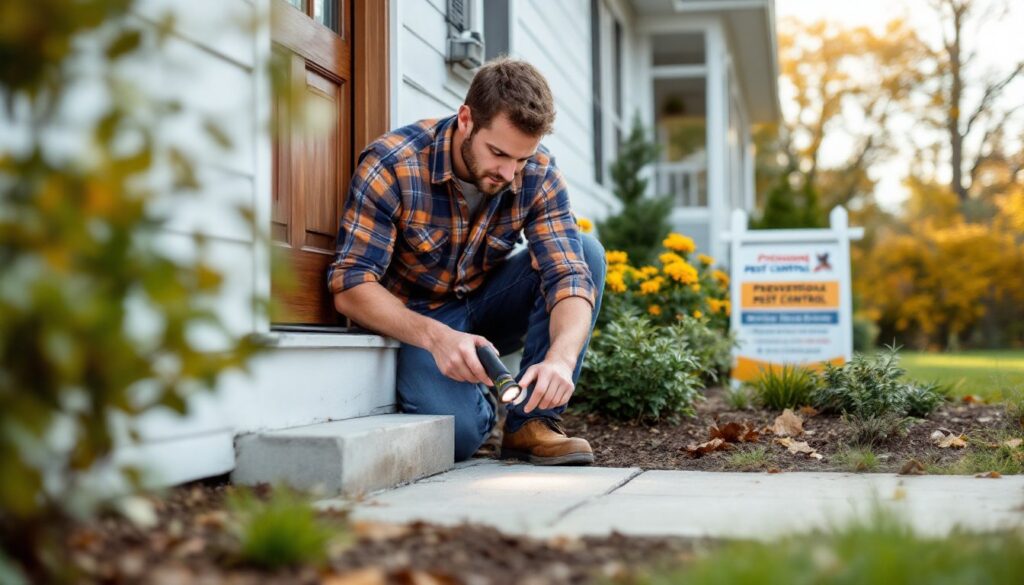
Start with a walkthrough inspection. Crouch down and examine your foundation for visible cracks wider than 1/8 inch, these are highways for ants and other insects. Check where pipes, electrical conduits, and gas lines penetrate the foundation: gaps around these are prime entry points. Look for gaps between siding and foundation, rotted wood trim, and damaged weatherstripping around doors and windows.
Seal foundation cracks using concrete caulk or expandable spray foam. For hairline cracks, a paintable concrete caulk works fine. Larger cracks (wider than 1/4 inch) benefit from foam backer rod inserted first, then sealed with caulk, this prevents the sealant from cracking as the foundation naturally settles. Around pipes and penetrations, use expanding foam rated for pest exclusion: trim it flush once it cures and paint or caulk over it to protect it from UV damage.
Replace or repair weatherstripping on doors and windows. Use self-adhesive foam or felt tape: it’s inexpensive and takes minutes to install. Ensure door sweeps sit flush against thresholds with no visible gaps. Consider door thresholds with built-in seals if current ones are damaged.
Trim vegetation and mulch back at least 12 inches from your foundation. Mulch touching your siding becomes a bridge for ants and termites: leave bare soil or landscape fabric between vegetation and your house. Prune tree branches so they’re at least 6 feet clear of your roof and gutters, this denies rodents and squirrels a highway into upper vents.
Clean and maintain gutters monthly during fall and spring. Clogged gutters create standing water that attracts mosquitoes and provides drinking stations for rodents. Water overflow near the foundation also creates damp conditions that lure termites and other moisture-loving pests.
Remove debris piles, firewood, cardboard, leaf accumulations, and yard waste stacked against the house. These hide rodent nests and provide shelter for insects. Store firewood at least 20 feet from the house and 12 inches off the ground on a raised rack.
Install or upgrade vent screens and grates. Foundation vents, dryer vents, and range hoods are common entry points. Use quarter-inch hardware cloth instead of standard window screen, rodents can chew through standard mesh. Ensure all vents have functioning dampers that seal when not in use.
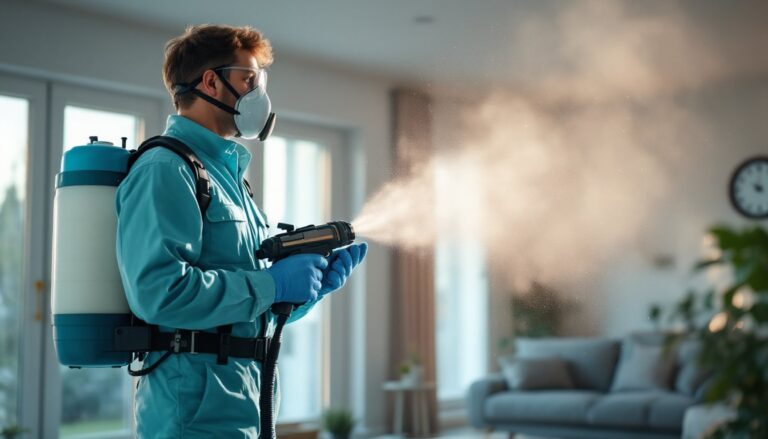
Apply perimeter insecticide barriers as a last line of defense. Products containing bifenthrin or permethrin create a chemical barrier around the foundation. Apply a 12-inch-wide band around the base of the house, extending 6 inches up the siding and 6 inches out from the foundation. Follow label directions carefully: most residential products are safe when applied as directed, but always wear gloves and avoid drift onto plants you want to keep.
Electrolyte-based baits (like Advion or Talon) work well for rodent control outside the home: place them in tamper-resistant bait stations along foundation edges where rodent droppings or gnaw marks indicate activity. Check and refill stations every two weeks during active seasons.
When to Call a Professional Service
If you find termite damage, soft, hollowed-out wood or mud tubes running up the foundation, stop and call a professional immediately. Termite infestations require specialized treatments (soil barriers, foam injections, bait stations) that are beyond DIY scope. The cost of professional termite treatment ($1,000–$3,500 depending on severity and region) is trivial compared to $10,000+ in structural repairs.
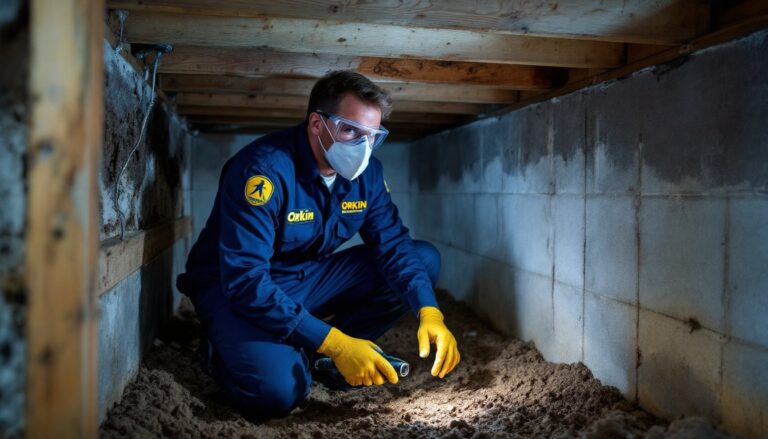
If you’re dealing with an active rodent infestation inside your home, perimeter sealing alone won’t solve it. A perimeter pest control company can inspect your home, identify all entry points you might’ve missed, seal them with exclusion materials, and set traps in active areas. This approach is faster than trial-and-error DIY methods and includes a warranty.
Wildlife removal, raccoons, squirrels, opossums, should go to licensed professionals. These animals can be trapped and relocated, but local regulations vary, and improper handling risks disease transmission and injury. Many areas require licensed wildlife removal specialists.
For severe pest pressure or if you’ve tried DIY methods without success, hiring a perimeter pest control company is worth the investment. Professionals use tools and techniques homeowners don’t have access to, like thermal imaging to find entry points, rodent exclusion doors that let animals exit but not re-enter, and commercial-grade products. Services typically cost $150–$500 for an initial inspection and treatment plan, and ongoing maintenance visits run $50–$150 monthly depending on your region and the extent of the problem.
Look for companies that offer guarantees. Reputable services stand behind their work, if pests return within a specified period, they’ll return at no charge. Check reviews on Angi and verify licensing in your state: pest control operators must be certified and carry proper liability insurance.
Conclusion
Perimeter pest control is preventive medicine for your home. Seal cracks, trim vegetation, maintain gutters, and remove debris piles, these fundamentals stop most pests before they become problems. Start with a thorough inspection, prioritize the biggest gaps and vulnerabilities, and tackle them methodically. For complex infestations or if DIY efforts don’t produce results within a month, professional pest control is a smart investment that protects your property long-term.