Table of Contents
ToggleYou’ve seen the ads: ultrasonic devices that promise to send rodents and insects packing without traps, poisons, or mess. Electronic pest control sounds like the perfect solution, plug it in and let technology handle the problem. But does it really work? After years of skepticism and marketing hype, homeowners deserve straightforward answers. This guide cuts through the noise to examine what electronic pest deterrents actually do, how they stack up against traditional methods, and whether they belong in your pest management strategy. Whether you’re dealing with occasional nuisances or serious infestations, understanding these devices helps you make smarter choices for your home.
Key Takeaways
- Electronic pest control devices emit ultrasonic waves or electromagnetic pulses, but independent research shows limited effectiveness, with pests often adapting quickly to the signals.
- Traps, exclusion methods, and professional pest control services outperform electronic pest control as standalone solutions for active infestations.
- Electronic pest deterrents work best as a preventative tool when combined with sealing entry points, removing food sources, and other integrated pest management strategies.
- Pests like cockroaches, bedbugs, and rodents demonstrate resilience to ultrasonic frequencies, with most showing habituation over time.
- If pest activity persists after 2-3 weeks of using electronic devices, switching to proven methods like traps or professional services prevents problems from escalating.
- Strategic placement along common pest paths, proper maintenance, and realistic expectations increase the marginal benefit of electronic pest control when used as part of a layered defense approach.
What Is Electronic Pest Control and How Does It Work?
Electronic pest control refers to devices that emit ultrasonic sound waves, electromagnetic pulses, or other electronic signals intended to drive away pests. The theory is straightforward: these sound frequencies or electrical fields disrupt pest behavior, making your home unwelcoming to rodents, insects, and other unwanted visitors.
Understanding Ultrasonic and Electromagnetic Technology
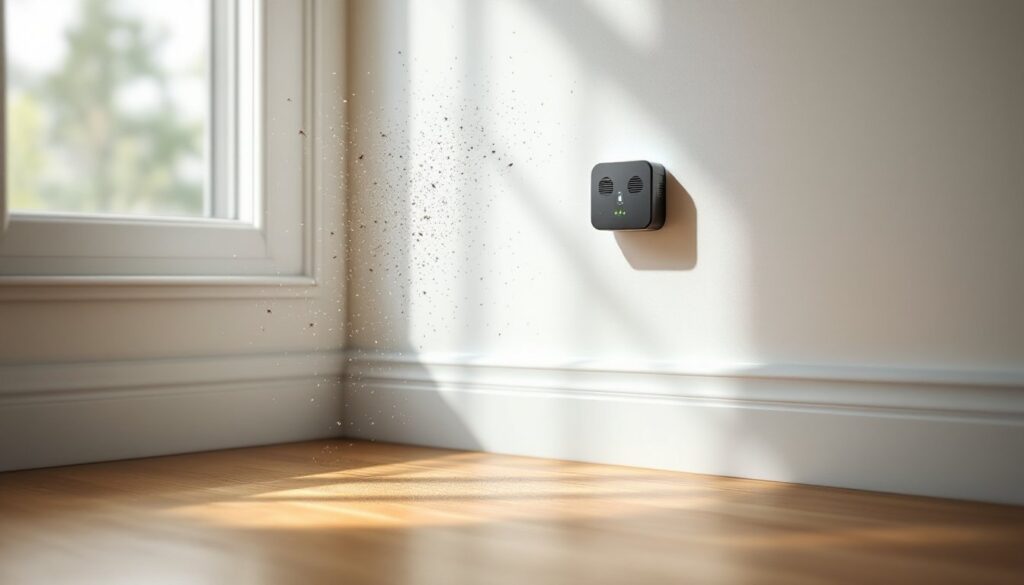
Ultrasonic devices emit high-frequency sound waves, typically 20 kHz and above, that humans can’t hear but pests supposedly find unbearable. Manufacturers claim this constant irritation forces animals to leave or avoid the area altogether. Electromagnetic repellents, meanwhile, emit electromagnetic pulses designed to interfere with nervous system signals in insects and small rodents, supposedly causing them to flee.
Plugged-in units work continuously, making them a low-effort option compared to setting traps or spraying pesticides. Battery-operated versions offer flexibility for garages, sheds, or areas without nearby outlets. The appeal is clear: no chemicals, no dead creatures to dispose of, no hiring a professional. Just plug it in and forget it. But the simplicity of the pitch doesn’t match the complexity of how pests actually respond to their environment.
Common Types of Electronic Pest Deterrents
The electronic pest control market offers several variations, each targeting different pests and spaces.
Ultrasonic Devices, Electromagnetic Repellents, and Plug-In Options
Ultrasonic pest repellers are the most common type. These units emit sound waves at frequencies between 20 kHz and 65 kHz, though some claims stretch higher. You’ll find them marketed for rodents, spiders, cockroaches, and mosquitoes. Most plug into standard outlets, while some run on batteries or solar power.
Electromagnetic pest repellers use different technology entirely. They emit electromagnetic fields designed to disrupt pests’ nervous systems. Some models combine ultrasonic and electromagnetic output for broader coverage.
Plug-in + motion-activated hybrids add another layer, using LED lights or sound bursts triggered by movement. These appeal to DIYers wanting an “active” defense rather than passive ultrasonic hum.
Portable units for vehicles, boats, or travel are also available, though effectiveness in confined spaces remains questionable. When choosing a device, note the coverage area listed, typically 150 to 500 square feet per unit, and understand that many pests require separate frequencies or approaches. No single device reliably handles rodents, cockroaches, spiders, and mosquitoes equally well.
Effectiveness: What the Research Actually Shows
Here’s where the marketing meets reality. Independent scientific studies on electronic pest control paint a mixed to disappointing picture. Research published in peer-reviewed journals consistently shows limited evidence that ultrasonic devices repel common household pests at the rates manufacturers claim.
A study examining ultrasonic repellents found that rodents initially avoid the devices but quickly habituate, meaning they get used to the noise and return. Insects show similar patterns. Cockroaches and bedbugs, in particular, demonstrate remarkable resilience to ultrasonic frequencies. Some pests may be deterred temporarily, but long-term effectiveness is weak.
Electromagnetic devices face even less scientific validation. Most rigorous tests show no significant advantage over placebo. The EPA and FTC have cracked down on misleading claims, with several manufacturers settling cases for exaggerated effectiveness statements.
That said, ultrasonic devices might provide marginal benefit in very specific situations, as one tool among many, but they shouldn’t be your primary defense. If you’re relying on an electronic deterrent alone to handle a serious mouse, rat, or cockroach problem, expect disappointment. Expert reviews of spider repellents reveal that even products combining electronic and traditional approaches show variable real-world results, with professional-grade solutions consistently outperforming consumer-grade electronics.
Electronic Pest Control vs. Traditional Methods
To make a smart decision, compare electronic deterrents head-to-head with proven alternatives.
Traps and bait stations remain the gold standard for rodent control. Snap traps, electronic traps, and live-catch traps catch and remove pests immediately. You know they’re working because you see results. One-time pest control services address active infestations directly, combining inspection, removal, and preventative treatment, far more reliable than passive deterrents.
Chemical pesticides (sprays, baits, dusts) are proven and regulated by the EPA. They work fast and are often cost-effective, though they require proper application and safety precautions. For serious infestations, they’re still the most reliable option.
Exclusion and prevention, sealing cracks, removing food sources, fixing leaks, address root causes. A rodent can’t invade if there’s no entry point and no food reward. This costs upfront but prevents recurring problems.
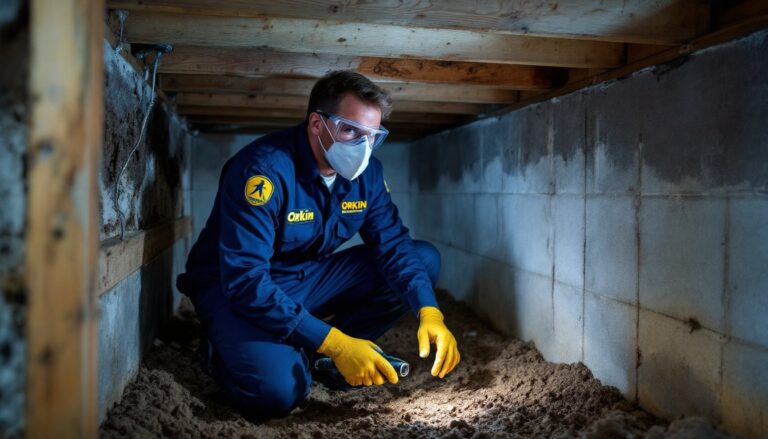
Professional pest control brings expertise, equipment, and accountability. A licensed technician can identify pest species, locate entry points, and apply targeted treatments. Cost varies by region and severity, but you’re paying for results backed by warranties.
Electronic devices alone lack the track record. They’re passive, unverifiable, and typically fail against established infestations. Some homeowners use them as a supplementary layer, say, alongside exclusion or after professional treatment, but not as a standalone solution. If you’re facing a real pest problem, electronics should be Plan C or D, not Plan A.
Best Practices for Using Electronic Pest Deterrents
If you decide to try electronic pest control, maximize your chances by following these practices:
1. Use them preventatively, not reactively. Electronic deterrents might discourage pests from entering a clean, sealed home. They’re far less effective against an active infestation. Start by sealing entry points, caulk cracks in walls and foundations, install weatherstripping on doors, and mesh over vents.
2. Combine with other strategies. Don’t rely on one device. Pair ultrasonic units with exclusion (sealing gaps), sanitation (removing food and water sources), and monitoring. This layered approach works better than any single tactic.
3. Place units strategically. Position devices along common pest paths, baseboards, entry points, and areas where you’ve seen activity. Coverage is limited and directional: multiple units may be needed for larger spaces. Avoid corners and enclosed shelves where sound waves bounce unpredictably.
4. Maintain proper setup. Read instructions carefully. Some devices require clear line-of-sight to work effectively. Keep them away from obstacles and ensure outlets are functioning. Battery-powered units lose efficacy as power drains.
5. Accept limitations and have a backup plan. If pest activity persists after 2-3 weeks of use, escalate to proven methods. Trap placement near walls, switching to professional pest control services, or consulting with licensed technicians prevents small problems from becoming infestations.
6. Monitor for actual results. Count droppings, look for gnaw marks, or check traps placed nearby. Don’t assume the device is working, verify with physical evidence. When pests are gone, you’ll know why.