Table of Contents
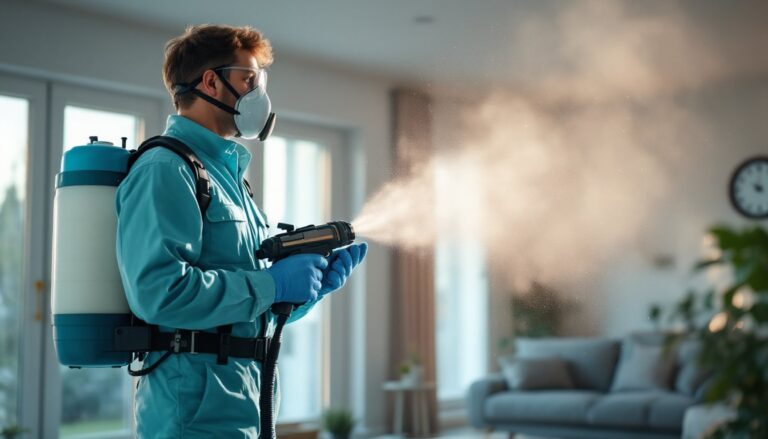
ToggleFort Collins homeowners deal with a distinct set of pest challenges thanks to Colorado’s high elevation, dry climate, and proximity to foothills. Whether you’re battling ants marching through your kitchen or concerned about rodents as temperatures drop, understanding local pest patterns and your treatment options is essential. This guide walks you through the most common pests in the area, helps you decide when to DIY versus calling a professional, and provides practical, budget-friendly solutions to keep your home pest-free year-round. You’ll also learn seasonal prevention tactics tailored to Fort Collins’ specific climate.
Key Takeaways
- Fort Collins pest control requires understanding local climate patterns, with carpenter ants in spring/summer and rodents in fall/winter being the most destructive seasonal threats.
- Call a professional pest control service for carpenter ants, severe rodent infestations, or bed bugs, while DIY methods work for light activity in isolated areas like a few boxelder bugs or spiders.
- Seal gaps larger than 1/8 inch around pipes, utilities, and foundation cracks with steel wool and caulk to prevent rodents from entering your home—they can exploit openings as small as a dime.
- Seasonal prevention in Fort Collins should include spring gutter cleaning and branch trimming to eliminate carpenter ant entry points, and fall preparations like checking door sweeps and storing firewood 20+ feet away.
- Natural pest control methods like food-grade diatomaceous earth, peppermint oil-soaked cotton balls, and sticky traps work for light infestations but severe problems typically require professional treatment costing $200–$400 for initial inspection.
- Moisture control is critical for Fort Collins pest prevention—fix leaky pipes, maintain humidity below 50%, and remove standing water, as pests seek water sources as actively as food.
Most Common Pests in Fort Collins
Fort Collins sits at about 5,000 feet elevation with low humidity and long, cold winters. This climate creates predictable pest cycles that differ from lower-elevation cities.
Carpenter ants are the most destructive pest in the region. Unlike termites, they don’t eat wood, they hollow it out to nest. You’ll spot them in spring and summer, especially around moist areas like gutters or damaged siding. They’re large (up to half an inch), black or red, and leave behind coarse, sawdust-like frass. Catching them early prevents serious structural damage.
Rodents, primarily mice and Norway rats, become active as fall arrives. They seek warmth and food indoors, exploiting gaps as small as a dime (mice) or quarter (rats). Droppings, gnaw marks, and musty odors signal their presence.
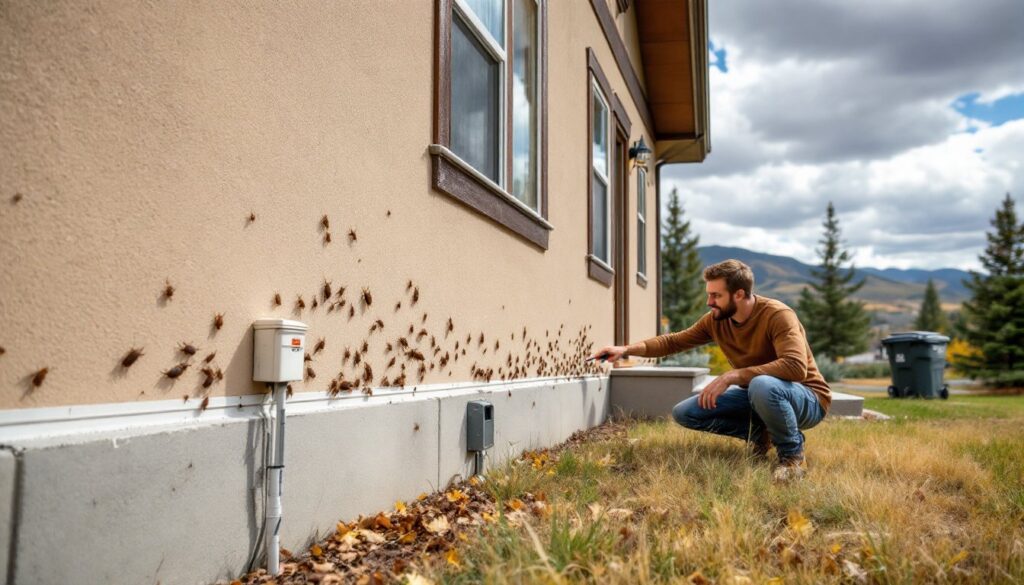
Boxelder bugs congregate in massive numbers on south-facing walls in fall, seeking shelter. They’re a nuisance more than a threat, but their staining feces can soil siding and interiors.
Spiders thrive here year-round. Most are harmless, but hobo spiders can deliver a painful bite. They favor dark, undisturbed spaces like basements and attics. One Time Pest Control: Your Quick Solution to Household Infestations breaks down immediate action steps for acute infestations.
When to Call a Professional vs. DIY Treatment
Not every pest problem demands a professional visit, but some do. Here’s how to decide.
Call a professional if:
- You suspect carpenter ants or termites. Structural damage can cost thousands, and identifying the exact species matters for treatment.
- Rodent infestations are severe (droppings throughout multiple rooms, live sightings during daylight). A single mouse trap doesn’t solve a colony issue.
- Bed bugs are present. These require thorough heat treatment or repeated chemical applications that professionals handle better.
- Your home or business needs a service contract (quarterly or monthly pest management).
- Local codes require a licensed pest control operator for certain treatments or structural work.
DIY works if:
- You spot a few boxelder bugs or spiders in isolated areas.
- Ant activity is light and concentrated in one room.
- You’ve sealed entry points and removed attractants but want preventive monitoring.
- You’re willing to invest time in repeated applications and careful material safety.
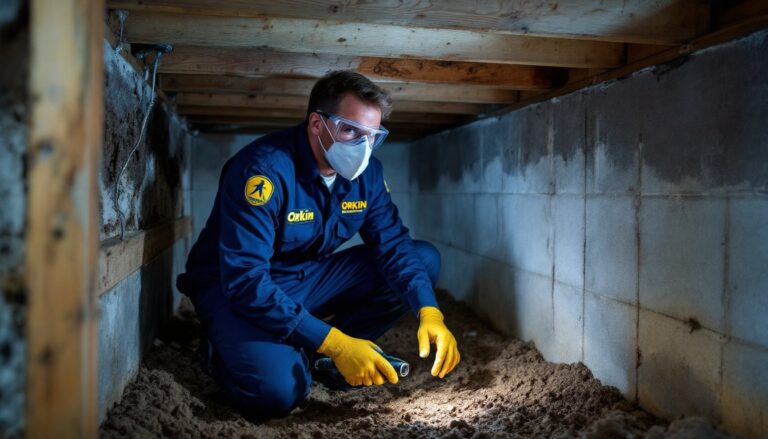
Evans Pest Control: Your Ultimate Solution offers professional options in Fort Collins if you decide the job exceeds DIY scope. According to HomeAdvisor, local service calls average $200–$400 for an initial inspection, depending on severity and home size. Ongoing contracts run $40–$100 per month for quarterly visits.
Seasonal Pest Prevention Tips for Colorado Homes
Fort Collins’ extreme seasonal shifts drive pest behavior. Aligning your prevention efforts to the calendar pays off.
Spring and Summer Pest Management
Spring (March–May) awakens carpenter ants and increases general activity. Summer heat brings ants indoors chasing food and water sources.
Action steps:
- Inspect siding, fascia, and roof edges for water damage or soft spots that signal carpenter ant entry. Tap suspect wood with a screwdriver: soft wood is a red flag.
- Clean gutters and downspouts thoroughly. Standing water attracts ants and provides entry moisture.
- Trim tree branches and shrubs back at least 6 feet from your roof and siding. Overhanging branches are highways for insects.
- Seal cracks in foundation and walls with concrete caulk. Pay special attention to areas where utilities enter the home.
- Reduce exterior lighting or switch to yellow “bug” lights, which attract fewer insects.
- Indoors, don’t leave pet food or open trash exposed. Store pantry items in airtight containers. Wipe up spills immediately.
Outdoor baiting: If you notice ant trails, place granular ant bait stations (like Amdro or similar) along the path, far from pets and children. Follow label directions precisely. Bait stations work better than sprays because foragers carry the poison back to the colony.
Fall and Winter Preparation
Fall (September–November) is when rodents and boxelder bugs seek shelter. Winter (December–February) is when you’ll see the consequences of poor preparation.
Action steps:
- Seal all gaps larger than 1/8 inch around pipes, ducts, and conduit penetrations with steel wool and caulk or foam sealant. Rodents cannot chew through steel wool.
- Check door sweeps and weatherstripping. Replace torn or missing seals.
- Store firewood at least 20 feet from the house and elevate it off the ground.
- Remove leaves, mulch, and debris from foundation perimeters. Rodents hide in these materials before moving indoors.
- Set snap traps or electronic traps indoors near baseboards, in corners, and along walls, areas where rodents travel. Bait with peanut butter or nesting material (cotton). Check traps every 2–3 days.
- For boxelder bugs on exterior walls, spray with a low-toxicity insecticide in late August or early September, before they congregate en masse. Pest Control Truck services handle large infestations if spraying isn’t feasible.
Fall and winter are also ideal for caulking and sealing because you’re not dealing with active pest swarms, just prevention.
Natural and Chemical-Free Pest Control Methods
If you prefer avoiding synthetic pesticides, several natural methods work in Fort Collins’ climate.
Diatomaceous earth (food-grade only): This powder damages insects’ exoskeletons and is safe for pets and kids. Dust it around baseboards, under cabinets, and in attics. Reapply after vacuuming or sweeping. It’s ineffective when wet, so avoid applying after spills or in high-humidity areas like bathrooms.
Essential oils: Peppermint and cedarwood oils repel rodents and spiders when soaked into cotton balls placed in problem areas. They’re not lethal but discourage settlement. Reapply monthly as the scent fades.
Sticky traps: Non-toxic and chemical-free, they’re perfect for monitoring spider and insect activity without killing. Position them along walls and corners. They don’t eliminate infestations but help you track activity levels.
Neem oil: This botanical insecticide works against soft-bodied insects and mites. Spray on affected plants and indoor areas (follow label directions). It degrades quickly in sunlight, so apply in evening.
Physical removal: Vacuuming spiders, boxelder bugs, and insects is safe and immediate. Seal the vacuum bag or dispose of contents outdoors away from the house.
Heat treatment for bed bugs: If only your bedroom is affected, raising indoor temperature to 120°F (49°C) for several hours kills all life stages. This requires professional equipment but avoids chemicals entirely.
These methods work best for light infestations or prevention. Severe infestations usually require conventional pesticides or professional help.
Protecting Your Home’s Exterior and Interior
Prevention is always cheaper and easier than eradication. Build a multi-layer defense.
Exterior perimeter:
- Install 1/4-inch metal mesh over vents, including dryer vents and crawlspace openings. Rodents can’t chew through it.
- Caulk all visible cracks in mortar, foundation, and siding using a quality exterior-grade caulk (silicone or polyurethane).
- Keep landscaping 12 inches away from the foundation. Dense mulch and plants create harborage for insects and rodents.
- Trim dead branches and remove dead trees near the house. Carpenter ants prefer dead wood.
Interior barriers:
- Seal gaps behind baseboards and under kitchen cabinets with paintable caulk or expanding foam.
- Ensure attic vents have functioning dampers. Check them monthly, especially in fall.
- Insulate water pipes to reduce condensation that attracts pests.
- Store garbage in sealed, rigid containers. Take out trash weekly, not when it’s full.
- Install door sweeps on all exterior doors. Weatherstripping should be flush with no visible gaps.
Moisture control:
Pests seek water as much as food. Fix leaky faucets, eliminate standing water in plant trays, and run bathroom exhaust fans during and 20 minutes after showers. Dehumidifiers in basements keep relative humidity below 50%, making the space inhospitable to most pests.
How Much Is Orkin Pest Control? provides pricing context if you’re comparing professional maintenance plans. Combining your own seasonal prep with targeted professional service gives the best return on investment.