Table of Contents
ToggleGarden snails might look harmless, but they’re among the most destructive pests a homeowner can face. These slow-moving mollusks can devastate vegetable gardens, ornamental plants, and flower beds in just a few weeks, leaving behind ragged holes and a silvery slime trail. If you’ve stepped outside to find your prized lettuce seedlings completely skeletonized or your hosta leaves reduced to lace, you’ve got a snail problem. The good news? With the right identification, strategy, and a mix of natural and commercial solutions, you can reclaim your garden. This guide walks you through proven methods to eliminate snails and keep them from returning.
Key Takeaways
- Garden snails cause distinctive ragged leaf damage and silvery slime trails, requiring identification to distinguish them from slugs before selecting the right snail pest control method.
- Hand-picking snails at dusk or dawn combined with copper barriers and diatomaceous earth are effective organic control methods for light to moderate infestations.
- Iron phosphate-based baits like Sluggo offer a safer chemical alternative to metaldehyde when snail pest control requires faster knockdown in severe cases.
- Reducing moist habitats by improving drainage, spacing plants for airflow, and watering only in early morning are critical long-term prevention strategies to stop snail infestations from returning.
- Encouraging natural predators like ground beetles and toads, combined with regular monitoring after rain, creates a sustainable approach to maintain snail pest control year-round.
Identify Your Snail Problem
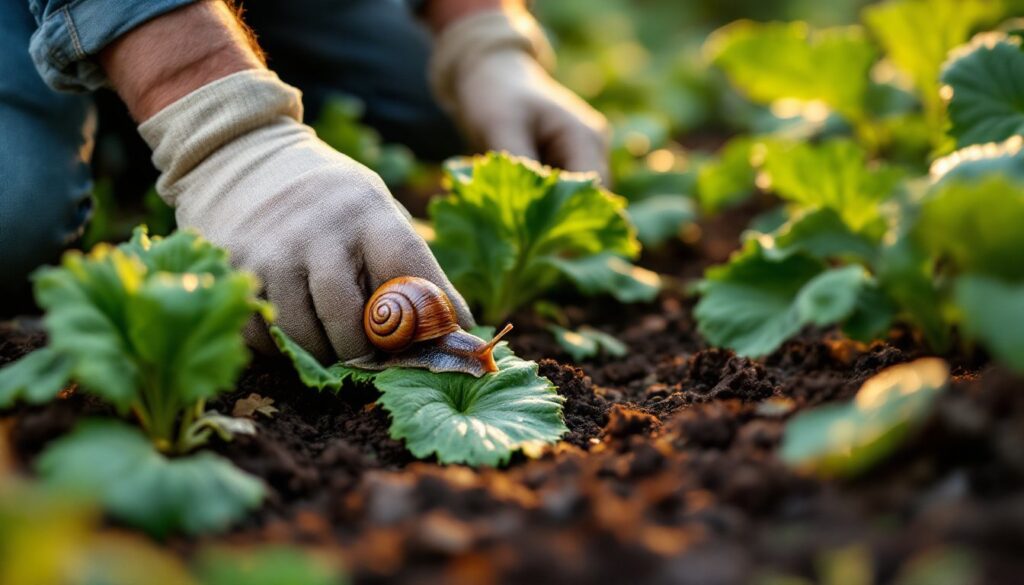
Before you spend time and money on control methods, confirm you’re actually dealing with snails, not slugs, which are similar but require slightly different approaches. Garden snails have visible shells: slugs don’t. Snails prefer moist, shaded areas and are most active during cool, wet weather. You’ll typically see them at dawn, dusk, or after rain.
Signs of Snail Damage in Your Garden
Snails create unmistakable damage patterns. Look for irregular, jagged holes in leaves (unlike the clean-cut damage from beetles). Young seedlings vanish overnight: mature plants show chewed foliage that looks ragged at the edges. The silvery mucus trail snails leave behind is the clearest giveaway, it dries to a shiny, crusty residue on soil and plants. Check plant stems near the soil line and underneath leaves where snails hide during the day. In severe infestations, you’ll spot actual snails clustered in moist leaf litter or under rocks and boards after dark. Count the population by placing cardboard or wood boards on the garden soil overnight: flip them in the morning to see how many snails are sheltering underneath. More than five snails under a single board signals an infestation worth addressing immediately.
Natural Snail Control Methods
Natural control methods work best for light to moderate infestations and as part of long-term prevention. They’re safer around kids and pets, and they don’t disrupt beneficial soil organisms.
Organic Barriers and Deterrents
Hand-picking is the most reliable organic method, especially for small gardens. Go out at dusk or early morning with a bucket of soapy water. Wear gloves, snails can carry parasites. Drop collected snails into the bucket to dispatch them humanely. This sounds tedious, but consistent hand-picking over two weeks can significantly reduce population pressure.
Copper barriers work by creating a mild electrical reaction that snails avoid. Copper tape, mesh, or wire wrapped around plant bases, raised beds, or pot rims creates an effective perimeter. Reapply after rain, as wetness reduces effectiveness. Expect to spend $15–$40 for materials, depending on garden size.
Diatomaceous earth (food-grade) is a powder made from fossilized algae. When snails cross it, the sharp particles cut their soft bodies. Dust the product around plants and in problem areas. Reapply after rain or watering, moisture reduces its effectiveness. One Time Pest Control: Your Quick Solution to Household Infestations offers insights into managing single-application pest problems, though garden snails typically need sustained effort.
Beer traps exploit snails’ attraction to fermenting yeast. Bury shallow containers (yogurt cups or tuna cans work) level with the soil, then fill with cheap beer. Snails crawl in and drown. Replace traps every few days. This method catches dozens of snails but won’t eliminate an entire population, use it alongside other tactics.
Nematodes (specifically Phasmarhabditis hermaphrodita) are microscopic parasites that hunt snail eggs in the soil. Mix them into garden beds according to package directions. Results appear over weeks. They’re pricey ($30–$60 per application) but effective for persistent infestations.
Chemical and Commercial Solutions
When infestations overwhelm organic methods, chemical baits and pellets deliver faster knockdown. Most effective snail baits contain metaldehyde or iron phosphate. Metaldehyde acts quickly but poses some risk to pets and wildlife if ingested. Iron phosphate is slower but safer, it breaks down naturally in soil and poses minimal risk to mammals and birds.
Slug and Snail Killer pellets (iron phosphate-based brands like Sluggo or Monterey Garden Insect Killer) scatter around plants at the rate recommended on the label, typically 1–2 pounds per 1,000 square feet. Snails eat them, stop feeding within hours, and die within days. Reapply after heavy rain. Cost ranges from $12–$25 per 5-pound bag, which covers a medium garden.
Metaldehyde-based baits (like Deadline or Snail-Gon) work faster but require more caution. Keep them away from kids and pets. Apply only where snails congregate, such as near damaged plants. Never broadcast across the entire garden. Always read labels carefully, application rates and safety warnings vary by product.
For severe infestations, calling a licensed pest control professional may be justified. Evans Pest Control: Your Ultimate Solution for Pest Problems or local services can apply commercial-grade treatments that homeowners can’t access. Expect to pay $300–$600 for a one-time treatment, depending on garden size and your region.
Prevention Strategies for Long-Term Success
Once you’ve controlled an active infestation, prevention keeps snails from making a comeback. Snails thrive in cool, moist environments with abundant hiding spots.
Reduce habitat. Remove boards, rocks, dense mulch, and thick leaf litter where snails shelter during the day. Space plants to improve airflow and allow soil to dry faster. Keep grass trimmed around garden beds.
Manage moisture strategically. Water early in the morning so soil dries during the day, making conditions less favorable for snails. Avoid evening watering, which creates the humid, wet conditions snails love. Improve drainage in waterlogged areas by adding raised beds or amending soil with sand or compost.
Choose resistant plants. Some plants naturally deter snails: lavender, rosemary, garlic, and chives contain compounds snails avoid. Conversely, snails love hostas, lettuce, strawberries, and young seedlings. Plan your garden layout accordingly.
Encourage natural predators. Beetles, ground beetles, and certain bird species hunt snail eggs and juveniles. Create habitat for these predators by leaving some leaf litter undisturbed and avoiding broad-spectrum pesticides. Even a small toad house (an overturned pot with an entrance hole) can house toads that eat snails.
Use mulch wisely. While snails hide in heavy mulch, a thin layer (1–2 inches) of coarse mulch like wood chips dries faster and proves less appealing than dense, moist layers. Avoid peat moss or fine mulch that stays perpetually damp.
Monitor regularly. Walk your garden weekly, especially after rain, checking for fresh damage and snail activity. Catch infestations early, before populations explode. Research from The Spruce and other horticultural sources emphasizes that early detection dramatically reduces control effort.
Conclusion
Snail control isn’t a one-time fix, it’s an ongoing balance between active control and prevention. Start by correctly identifying snails and assessing population size. Combine hand-picking, organic barriers, and habitat management for light infestations. When snails get ahead of you, reach for iron phosphate baits or contact a professional. The key is consistency: stay vigilant after rain, remove hiding spots, and adjust watering practices. With these strategies, you’ll move from constantly rescuing damaged plants to actually enjoying your garden again.