Table of Contents
ToggleStarting a pest control business is one of the most straightforward entrepreneurial paths in the service sector. The demand for professional pest management isn’t going anywhere, homeowners and commercial properties always need reliable solutions. Whether you’re drawn to the steady income, flexible scheduling, or the satisfaction of solving real problems, launching a pest control company requires clear steps. This guide walks new entrepreneurs through licensing, equipment investment, pricing strategy, and marketing. By the end, you’ll understand exactly what it takes to build a legitimate, profitable pest control operation.
Key Takeaways
- Starting a pest control business requires state licensing, pest control certification, and liability insurance—non-negotiable steps that take 2–4 weeks to complete.
- Choose your niche (residential, commercial, or specialty services like eco-friendly treatments) to shape your equipment purchases, training, and marketing strategy.
- Startup costs are modest at $5,000–$15,000, covering licensing, basic equipment ($2,000–$8,000), insurance, and three months of operating expenses.
- Price competitively at $100–$300 per service call for residential work and $50–$150 for monthly preventive contracts, ensuring 40–50% profit margins after overhead costs.
- Build your brand through a professional website, Google Local Services ads, customer reviews on Google and Yelp, and word-of-mouth referral programs to drive local service calls.
- Launch in a modest 10–15 mile service radius to minimize fuel costs and handle 5–8 jobs per day as a solo operator before hiring additional technicians.
Understand Licensing, Certifications, and Legal Requirements
The first hurdle is regulatory compliance, and it’s non-negotiable. Every state requires pest control operators to hold a valid license, though requirements vary significantly by jurisdiction. Most states demand applicants pass an exam covering pesticide safety, application laws, identification of common pests, and proper handling procedures.
You’ll typically need a Category License (general pesticide applicator) or a Restricted Use License depending on the chemicals and pests you’ll treat. Some states also require a business license and liability insurance, typically $1–3 million in coverage. Before spending money on equipment, contact your state’s department of agriculture or entomology to get the exact requirements. Many states also mandate continuing education hours annually to maintain your license.
Non-negotiables include proper record-keeping (pesticide applications, customer details, safety protocols) and compliance with EPA and state environmental regulations. Skipping this step invites fines, lawsuits, and revoked licenses. Factor 2–4 weeks for exam preparation and processing time into your launch timeline.
Choose Your Pest Control Niche and Service Offerings
Pest control isn’t one-size-fits-all. You can specialize in residential, commercial, or both. Residential work (ants, roaches, termites, mosquitoes) usually has lower per-job costs but higher call volumes. Commercial accounts (food processing, offices, warehouses) often pay more but require larger service areas and tighter contracts.
Consider starting with the most common problems in your region. In warm climates, termites and roaches dominate. Up north, bed bugs and rodents are year-round revenue drivers. You might also specialize in eco-friendly or organic treatments to attract a specific market segment. Offering one time pest control services alongside annual contracts hedges your income, emergency calls fill gaps during slow months.
Once you nail your niche, list your core services: inspection, treatment application, prevention, follow-up monitoring, and customer education. Having clarity here shapes your equipment purchases, training focus, and marketing messaging.
Invest in Equipment, Tools, and Supplies
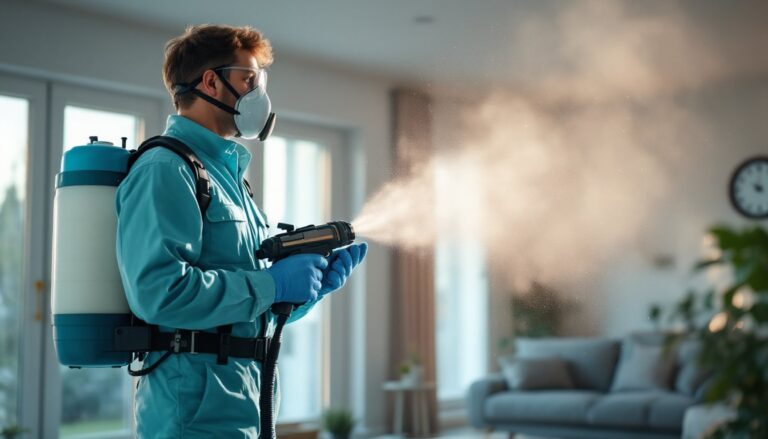
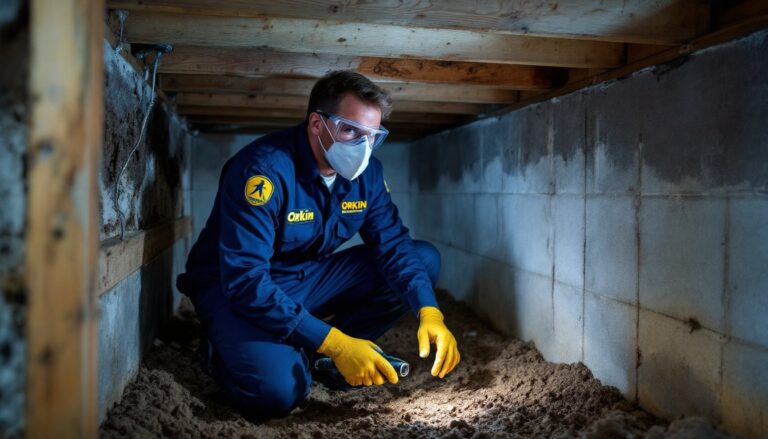
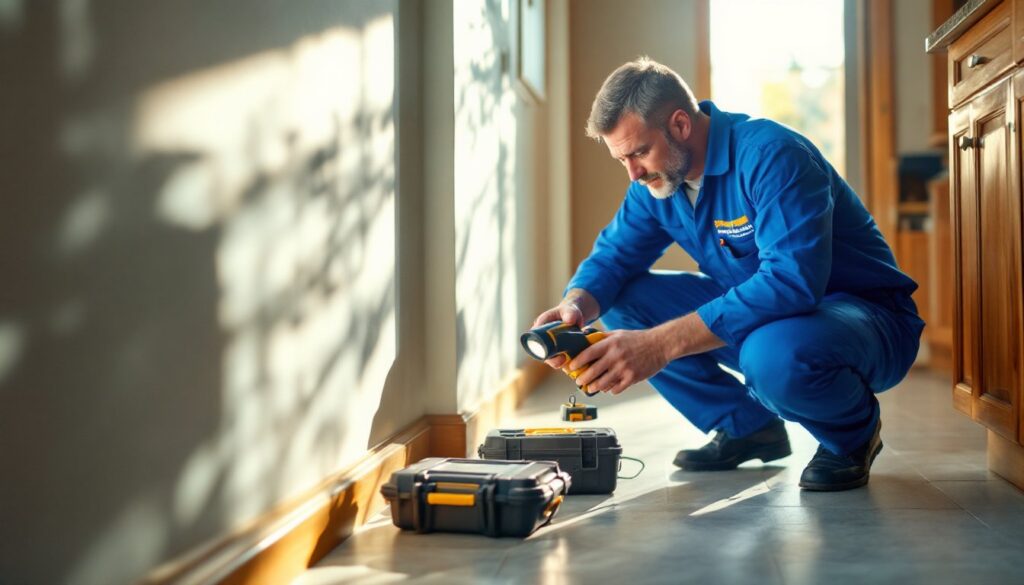
Your startup gear is modest but critical. You’ll need pesticide application equipment (sprayers, dusters, foamers), inspection tools (flashlight, magnifying glass, probe tool, moisture meter), and personal protective equipment (respirators, gloves, goggles, boots). A basic setup costs $2,000–$8,000 depending on the scope.
Start with essential items: a backpack sprayer ($150–$400), a hand-held duster ($50–$150), safety gear ($200–$500), and a vehicle to transport equipment and materials. As revenue grows, invest in a pest control truck setup with custom shelving, chemical storage, and branding. Many professionals use a moisture meter and borescope for thorough inspections.
Stock quality pesticides appropriate to your license category. Buy from licensed distributors, never from hardware stores for professional work. Start with popular, effective products: spot treatments for common pests, baits, and dusts. Budget $500–$1,500 monthly for inventory once you’re operational. Keep detailed inventory logs for compliance and cost tracking.
Develop a Business Plan and Pricing Strategy
A written business plan doesn’t have to be fancy, but it should cover startup costs, cash flow projections, target customers, and a 12-month financial forecast. Lenders and investors expect this, and it keeps you accountable.
Pricing is where many new operators stumble. Research local competitors’ rates: pest control pricing typically ranges from $100–$300 per service call for residential work, depending on region and complexity. Some charge flat monthly rates ($50–$150) for preventive contracts. Undercutting established players is tempting but unsustainable, you’ll burn out fast at $60 per call. Instead, price competitively while accounting for fuel, labor, insurance, and overhead.
Calculate your break-even point: if monthly overhead (truck, insurance, licensing, office) is $2,500, you need roughly 15–20 service calls at $150 each just to cover costs. Build profit margins of 40–50% into pricing. Consider offering package deals (quarterly inspections plus treatment) to lock in recurring revenue and reduce customer acquisition costs.
Build Your Brand, Website, and Marketing Presence
Your brand is your reputation, and it starts with a professional presence. Build a simple website listing your services, service area, and contact details. Include customer testimonials and photos of your work (before-and-after pest scenarios). Many DIY builders use platforms like Wix or Squarespace.
Google Local Services ads are a quick win for pest control businesses. Post on Google Maps and claim your business listing. Encourage early customers to leave reviews on Google, Yelp, and Facebook, reviews drive 70% of local service calls. Social media (Facebook, Instagram) works for before-and-after content and seasonal pest alerts that position you as knowledgeable.
Word-of-mouth is still the strongest marketing for service businesses. Offer referral discounts ($25 credit for a referred customer) and build relationships with real estate agents, property managers, and contractors. These professionals send steady referrals. Don’t overlook local directories and your chamber of commerce, it’s low-cost visibility. Partner with review platforms like Angi to reach homeowners actively searching for pest control help.
Secure Funding and Launch Your Operations
Initial capital needs are modest for a pest control business, typically $5,000–$15,000 to cover licensing, equipment, insurance, and three months of operating expenses. You have several funding options.
Personal savings or a credit line is fastest if you have it. Bank loans typically require a business plan and collateral but offer favorable rates. SBA loans (Small Business Administration) support startup costs at 6–10% interest. Some entrepreneurs start part-time while keeping another job, then transition to full-time once they hit 15–20 regular customers.
If using business credit cards, understand the cash flow impact: you pay upfront for chemicals and equipment but wait 30–60 days for customer invoices. Build a cash reserve (even $1,000–$2,000) to smooth this gap. Platforms like HomeAdvisor and ImproveNet connect you with customers but take a commission, budget for this or manage your own pipeline from day one.
Launch with a modest service area (a 10–15 mile radius from home) to minimize fuel costs and maximize efficiency. Add coverage as you hire help. Most solo operators handle 5–8 jobs per day: beyond that, you’ll need a second technician.
Conclusion
Starting a pest control business is achievable if you handle licensing, equipment, pricing, and marketing methodically. The barrier to entry is low, but success demands professionalism, compliance, and customer service. Focus on becoming the trusted expert in your niche, maintain steady marketing, and reinvest early profits into growth. Within 1–2 years of consistent work, a solo operator can build a six-figure income and a sellable business asset.