Table of Contents
ToggleIf you’ve noticed aphids clustering on your tomato plants or Japanese beetles skeletonizing your roses, you’ve faced the eternal DIY gardener’s dilemma: reach for the spray bottle or find a better way. Biological pest control involves introducing or encouraging natural predators, parasites, and disease-causing organisms to manage garden pests without synthetic chemicals. Unlike conventional pesticides that kill indiscriminately and can harm beneficial insects, soil microbes, and even your family’s health, biological control works with nature’s own balance sheet. This approach is increasingly popular among homeowners who want effective pest management while maintaining a thriving garden ecosystem. Whether you’re battling slugs in your vegetable beds or powdery mildew on your shrubs, understanding the principles and practical steps of biological pest control can save you money, reduce chemical exposure, and create a more resilient outdoor space.
Key Takeaways
- Biological pest control involves introducing or encouraging natural predators, parasites, and disease-causing organisms to manage garden pests without synthetic chemicals.
- A single ladybug can consume 50 to 60 aphids per day, making natural predators like ladybugs, ground beetles, and parasitic wasps highly effective frontline soldiers against common garden pests.
- Successful biological pest control requires habitat creation—plant flowering plants year-round, provide water and shelter, and avoid broad-spectrum pesticides to attract and sustain beneficial insect populations.
- Parasitoids and entomopathogenic fungi offer specialized pest control by targeting specific pests like caterpillars and moths, providing precision without harming non-target organisms.
- Results from biological pest control typically appear within 3-6 weeks after beneficial insect populations establish, requiring patience but delivering long-term, self-sustaining, cost-effective pest management.
- Building a garden ecosystem where predator-prey relationships keep populations in check eliminates the need for chemical sprays and creates a healthier environment for your family, plants, and local wildlife.
Understanding Biological Pest Control and Its Core Principles
Biological pest control is a management strategy that relies on living organisms to suppress pest populations naturally. Instead of poisoning insects or pathogens outright, you’re essentially recruiting nature’s own workforce, predators, parasitoids (wasps that lay eggs in pest insects), entomopathogenic fungi, and beneficial bacteria that target specific pests while leaving your plants and other wildlife unharmed.
The core principle is simple: most garden pests have natural enemies. Ladybugs eat aphids, parasitic wasps attack caterpillars, and certain soil fungi infect plant diseases before they spread. By creating conditions that attract and support these beneficial organisms, you reduce pest populations to manageable levels without needing pesticides.
This isn’t a passive “set it and forget it” approach. Successful biological control requires understanding what pests you’re dealing with, identifying their natural enemies, and then either introducing those enemies or making your garden hospitable enough that they arrive on their own. It’s more like wildlife management than chemistry. You’re building a functional ecosystem where predator-prey relationships keep populations in check, rather than importing a single solution and hoping it works.
How Natural Predators Work Against Common Garden Pests
Natural predators are the frontline soldiers of biological pest control. Ladybugs (also called ladybird beetles) are the most recognizable example, a single adult ladybug can consume 50 to 60 aphids per day, and larvae eat even more. Ground beetles patrol soil and leaf litter, hunting slugs, snails, and soft-bodied insects. Lacewings, hoverflies, and parasitic wasps are equally effective against different pest groups.
Each predator specializes somewhat. Braconid wasps target aphids and caterpillars by laying eggs inside them: the wasp larvae develop inside the host and eventually kill it. It sounds gruesome, but it’s incredibly effective and totally safe for humans. Ground beetles hunt nocturnal pests like slugs and cutworms, while spiders (yes, even the ones people fear) eat a surprising variety of flying and crawling insects.
The reason predators work is density and persistence. A ladybug doesn’t just eat one aphid and move on, it stays in your garden and keeps hunting as long as food is available. This continuous pressure prevents pest populations from exploding, unlike a spray application that kills pests on contact but wears off within days.
Introducing Beneficial Insects to Your Garden
You can introduce beneficial insects in two ways: buy them from specialty suppliers and release them, or create conditions that attract wild populations to stay and breed.
Purchased beneficial insects (ladybugs, parasitic wasps, lacewing larvae) come in containers and are released directly into the garden. This works best if you have a specific, active pest problem and want quick results. But, success depends on timing, temperature, habitat quality, and whether your garden offers enough food to keep them around once released. Many purchased insects simply move on if conditions aren’t right.
The longer-term strategy is habitat creation. Beneficial insects need nectar, pollen, shelter, and overwintering sites. Plant flowers that bloom at different times, alyssum, fennel, yarrow, and dill are classic choices, to provide continuous food. Leave some leaf litter and dead wood for ground beetles and overwintering spaces. Avoid broad-spectrum pesticides (even organic ones like neem) that can harm beneficial insects. In time, your garden becomes naturally attractive to predators, and you get free, ongoing pest control.
Using Parasitoids and Pathogens for Pest Management
Parasitoids and disease-causing pathogens represent a different tier of biological control, they’re often more specialized and can be highly effective against specific pests.
Parasitoids are insects (usually tiny wasps) that lay eggs on or inside pest insects. The emerging larvae feed on the host, eventually killing it. Trichogramma wasps parasitize moth and butterfly eggs, stopping infestations before larvae even hatch. Ichneumon wasps target beetle and caterpillar larvae. Unlike true parasites, parasitoids always kill their host, the distinction matters because it means one wasp can control multiple pests during its lifetime.
Entomopathogenic (insect-killing) fungi and bacteria offer another avenue. Beauveria and Metarhizium fungi are sprayed on plants and attack certain insects directly. Bacillus thuringiensis (Bt) is a naturally occurring bacterium that produces proteins toxic to caterpillar and mosquito larvae but harmless to other organisms. Unlike chemical pesticides, these pathogens only infect susceptible target pests.
The advantage of parasitoids and pathogens is specificity, you’re not blanket-killing every insect in sight. The downside is they require matching the right organism to your specific pest, understanding application timing, and sometimes waiting longer for results compared to a direct chemical spray. They’re excellent for farmers and serious gardeners: homeowners may find them overkill for occasional pest problems, though products like Bt dust (for caterpillars) are widely available and simple to use.
Practical Steps to Implement Biological Pest Control at Home
Here’s how to set up biological pest control in your own garden:
Step 1: Identify Your Pests and Their Natural Enemies
Before spending money or effort, confirm what you’re actually dealing with. Aphids? Caterpillars? Slugs? Different pests have different predators. Look up what controls each one.
Step 2: Avoid Broad-Spectrum Pesticides
This is non-negotiable. Insecticides (even organic ones) kill beneficial insects as quickly as they kill pests. If you’ve been spraying regularly, stop. Give the garden 2-4 weeks to recover: beneficial insects will return or can be introduced once the chemical residue breaks down.
Step 3: Plant Flowering Plants for Beneficial Insects
Add early-spring bloomers (hellebores, creeping phlox), mid-season flowers (coreopsis, salvia, rudbeckia), and late-season bloomers (asters, sedum, goldenrod). Avoid double-flowered varieties, they have no pollen or nectar. Sweet alyssum, fennel, and dill are reliable attractants.
Step 4: Provide Water and Shelter
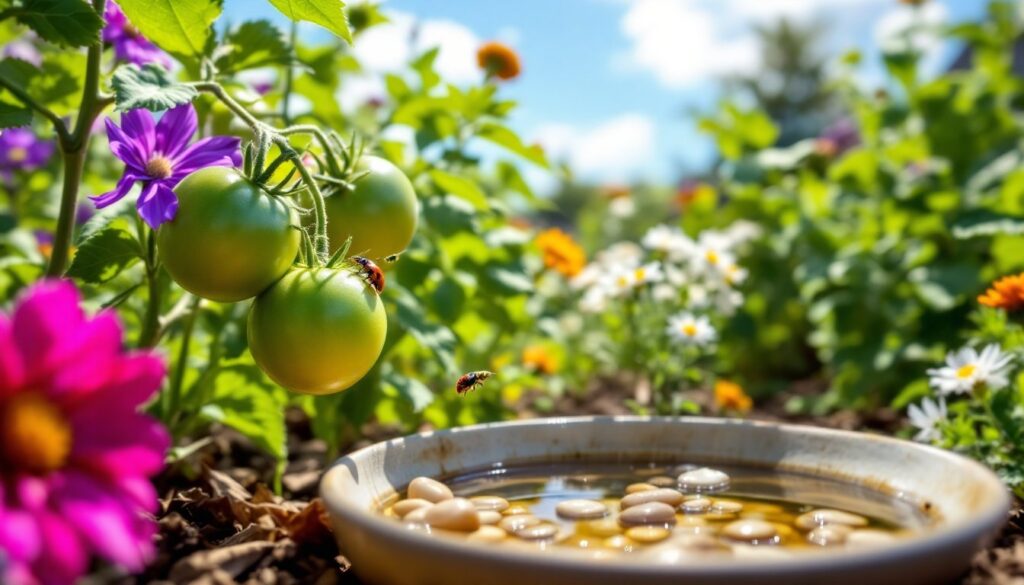
A shallow water source (a saucer with pebbles so insects don’t drown) is essential. Leave some dead leaves, mulch, and prunings as shelter for ground beetles and spiders. These aren’t “messy”, they’re functional habitat.
Step 5: Consider Purchasing Beneficial Insects (Optional)
If you have a specific, urgent pest problem and live in a suitable climate, buy parasitic wasps or ladybugs from reputable suppliers. Release them in early morning or evening on damp foliage. But, don’t expect miracles, success rates vary widely depending on your garden’s condition.
Step 6: Monitor and Adjust
Check your plants weekly for pest and predator populations. You’ll almost always have some pests, that’s normal and expected. The goal isn’t zero pest presence: it’s keeping populations low enough that your plants stay healthy.
Common Challenges and How to Overcome Them
Even well-intentioned gardens run into snags with biological control.
Slow Results: Biological control takes time, often 3-6 weeks to see meaningful pest reduction once populations of beneficial insects establish. If you need immediate results, biological control alone may not suffice, though combining it with brief targeted spray (like insecticidal soap for heavy infestations) can bridge the gap while beneficial insects build up.
Purchased Insects Disappearing: Sometimes you buy ladybugs and they fly away or vanish within days. This happens when your garden lacks sufficient food, water, or shelter. Don’t blame the supplier: improve habitat first, then try again.
Beneficial Insects Vs. Pest Insects: It’s easy to confuse them. Learn to identify common allies, ladybug larvae look nothing like adult beetles but eat aphids ferociously. Hoverfly larvae resemble tiny slugs and patrol for soft-bodied pests. Parasitized pest insects (e.g., caterpillars covered in wasp cocoons) indicate the system is working, not failing.
Pesticide Residue in Soil: If your garden was heavily treated previously, some chemicals persist in soil. Stick to organic amendments (compost, mulch) and avoid adding more synthetic inputs. Over time, usually one to two growing seasons, the soil recovers and beneficial insect populations stabilize.
Weather Disruptions: Extreme heat, cold, or drought can knock out beneficial insect populations just as easily as pests. During harsh conditions, focus on plant care (watering, shade cloth) rather than expecting biological control to fully compensate.
Conclusion
Biological pest control involves building a garden ecosystem where natural predators, parasites, and pathogens keep pest populations in check without synthetic chemicals. It’s not faster than reaching for a spray bottle, and it requires patience and some upfront learning. But once established, it’s self-sustaining, cost-effective, and creates a healthier environment for your family, plants, and local wildlife. Start with habitat, flowers, water, shelter, and a no-spray policy, and let nature do the heavy lifting. Your garden will thank you.